Buying a landscape painting is less like shopping and more like adopting a window. You will look through it every morning for years. The questions worth asking, then, are not only "Do I like it?" but "Will it keep revealing something?" and "Can I keep it safe?" This room gathers what curators, conservators and seasoned collectors consider before a canvas comes home.
Choosing a Painting You Will Live With
Begin with distance. Step back as far as the room allows: does the composition read clearly, with a strong value pattern and a convincing sense of depth? Then step close. Is the surface interesting on its own, with considered brushwork, varied edges and colour that rewards inspection? The best landscapes work at both distances, just as Constable's and Corot's canvases do in the museum.
Ask about the work's materials. A reputable painter or gallery can tell you whether it is oil or acrylic, the support (linen, cotton or panel), the pigments used, and whether it has been varnished. Ask for a signed certificate or invoice that records title, date, medium and dimensions. That paperwork, the beginning of provenance, matters if you ever insure, lend or resell the work.
Original Painting
Unique, hand-painted, with physical texture. Value depends on the artist's reputation, size and quality.
Giclée on Canvas
A high-quality inkjet reproduction, sometimes hand-embellished. Ask about edition size and inks.
Study or Sketch
Small plein air works, often more affordable and wonderfully fresh. A fine way to begin a collection.
Commission
A painting of a place you love. Agree size, timeline, deposits and sketches in writing first.
Framing Sympathetically
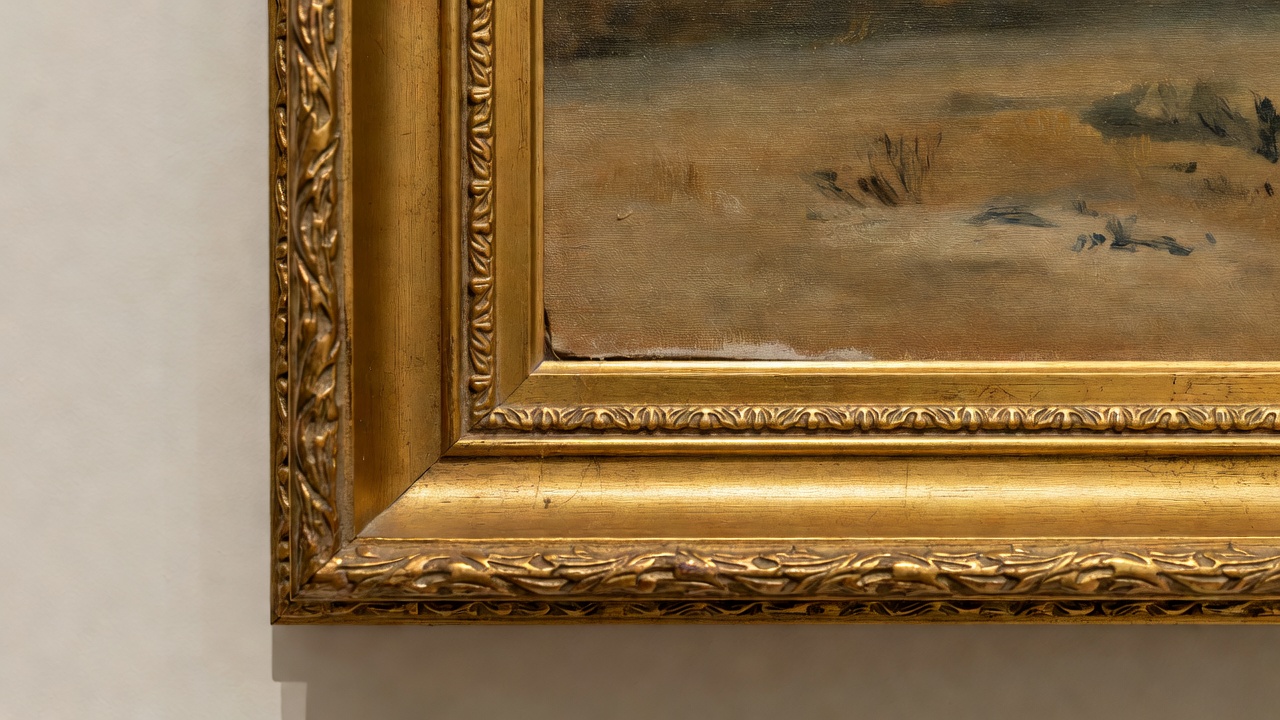
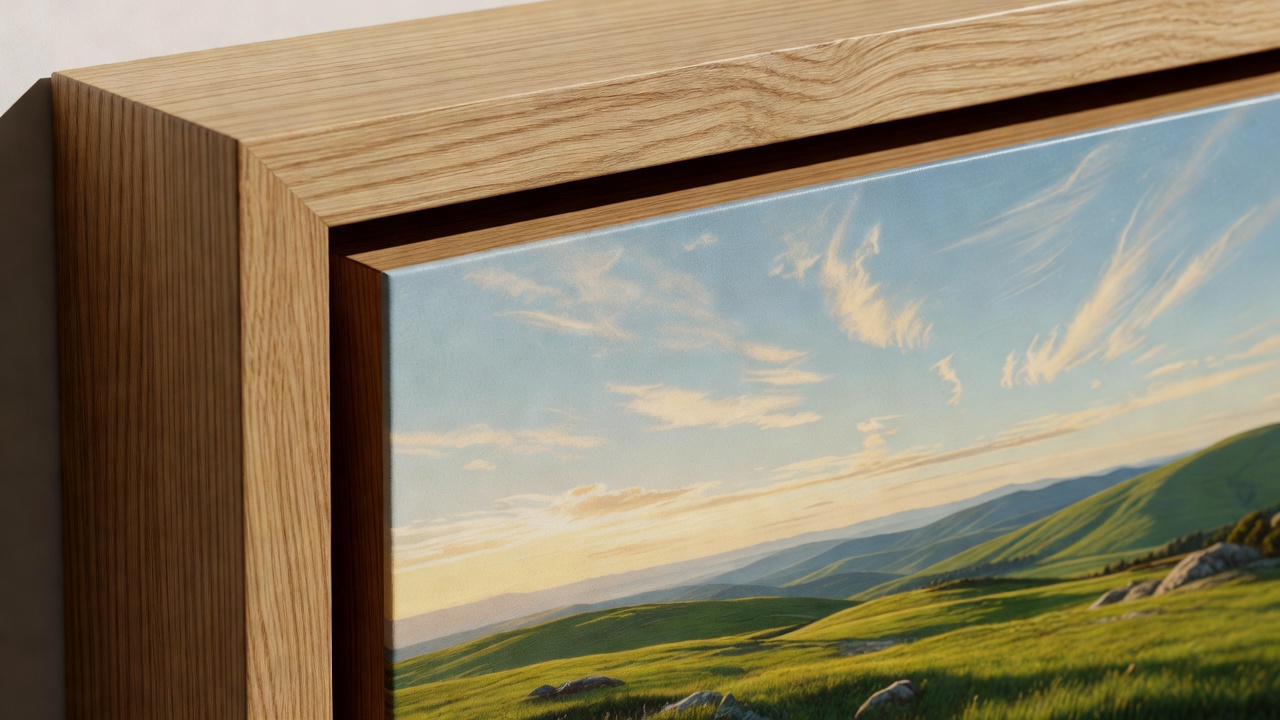
A frame should serve the picture, not compete with the sofa. Gilt frames warm landscape colour and suit traditional work; their glow echoes the golden light many landscapes contain. Plain wood or a slim float frame, which leaves a small shadow gap around the canvas edge, suits contemporary or gallery-wrapped pieces. Oil and acrylic canvases are rarely glazed, since glass can trap moisture and adds glare, but a backing board protects the reverse from dust and knocks.
Hanging and Lighting at Home
Galleries traditionally hang work with its centre around 57 to 60 inches, roughly 145 to 152 cm, from the floor, close to average eye level. Above furniture, leave a gap of about 15 to 25 cm. Use two D-rings and picture wire, or two hooks, so the canvas stays level, and choose fixings rated for well over the frame's weight.
Light matters as much as placement. Avoid walls that receive direct sunlight, since ultraviolet light fades some pigments and yellows varnish. Choose LED picture lights or ceiling spots with low UV output, a warm colour temperature around 2700 to 3000 K and a high colour rendering index. Angle them at roughly 30 degrees to minimise glare on glossy passages.
Caring for the Surface
Canvas responds to its environment. Keep paintings away from radiators, fireplaces, bathrooms and exterior walls prone to damp. Stable conditions around 40 to 60 percent relative humidity and moderate temperatures help prevent cracking and slackening. Dust gently with a soft, dry brush; never use water, household cleaners or cloths that can snag impasto.
If a canvas sags, tears or shows flaking paint, do not attempt a repair. Contact an accredited conservator; in the UK, the Institute of Conservation (Icon) maintains a register, and in the United States the American Institute for Conservation offers a similar directory. A well-applied, removable varnish allows a conservator to clean the surface decades from now without touching the paint.
Buy with your eyes, document with care, hang out of the sun, and a good landscape will outlive all of us.