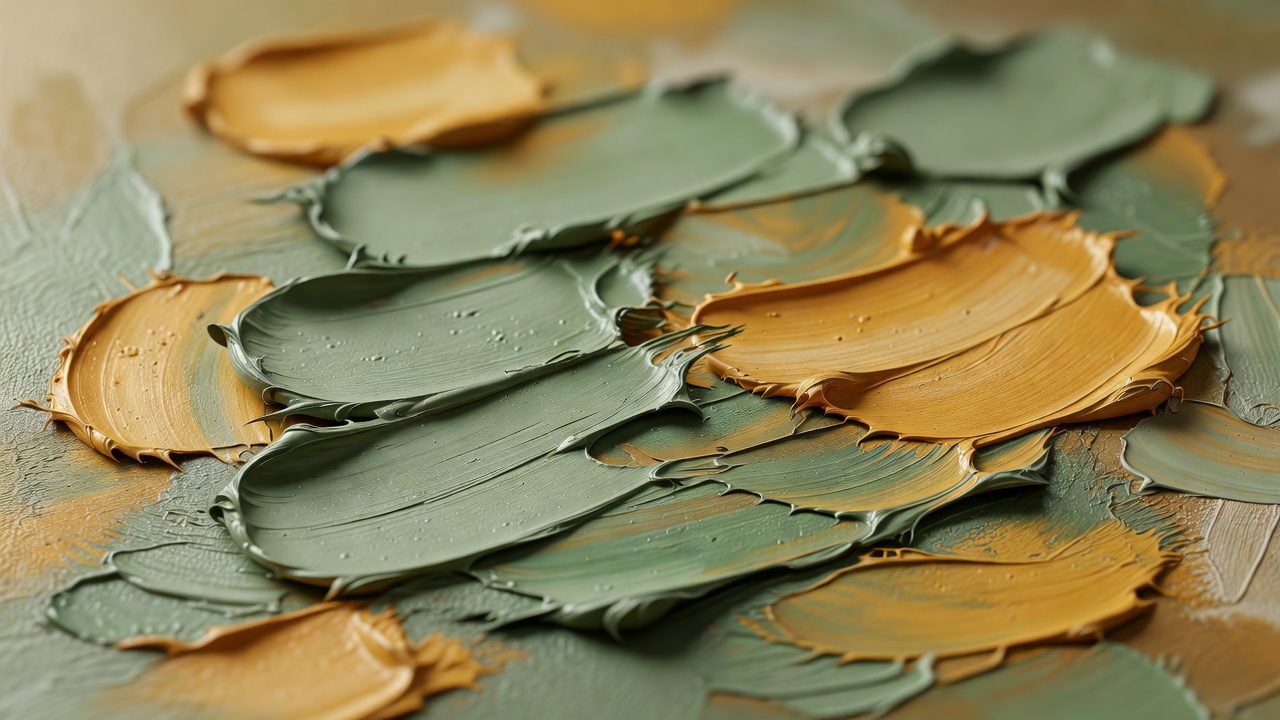
Few debates in landscape painting are as old, or as productive, as the one between working en plein air and working in the studio. One method promises truth to the moment; the other promises time to think. Most painters whose canvases we admire learned to move between them, and the evidence of both often sits side by side on a single surface.
A Short History of the Outdoor Easel
Painters sketched outdoors long before the nineteenth century, but oils were awkward to carry. Pigments were ground by hand and stored in pig bladders that burst easily. In 1841 the American portrait painter John Goffe Rand patented a collapsible metal paint tube, and colourmen soon adopted it. Combined with the folding field easel, often called the French box easel, painters could carry a full palette into the countryside.
The Barbizon painters in the Forest of Fontainebleau and, later, the Impressionists made the outdoor sketch a finished statement in its own right. Monet reportedly had trenches dug at Giverny so that tall canvases could be lowered while he worked on them outdoors.
What Plein Air Gives You
Outdoors, light changes roughly every twenty minutes in a way you can see. That pressure forces decisions. Painters simplify shapes into big masses, judge values quickly and leave brushstrokes unblended. The result is freshness: confident marks, true colour temperature and a sense of air moving across the picture.
A practical plein air kit is small. Many landscape painters use a pochade box or light tripod easel, a limited palette of five or six colours, a few hog-bristle filberts, a palette knife and canvas panels between 8 × 10 and 12 × 16 inches. Panels are lighter than stretched canvas and resist wind, which can turn a large canvas into a sail.
What the Studio Gives You
The studio offers steady light, time and scale. Constable painted full-size oil sketches, six feet wide, before producing his exhibition pictures for the Royal Academy. The Hudson River painters filled sketchbooks and small oils on long expeditions, then built enormous canvases over months. In the studio you can glaze, correct drawing, refine edges and plan a composition that no single moment outdoors provided.
The risk is staleness. A studio canvas built from photographs alone often loses colour temperature, because cameras compress values and shift shadows toward neutral grey or blue. Painters who keep a plein air study pinned beside the large canvas guard against this.
Supports and Grounds
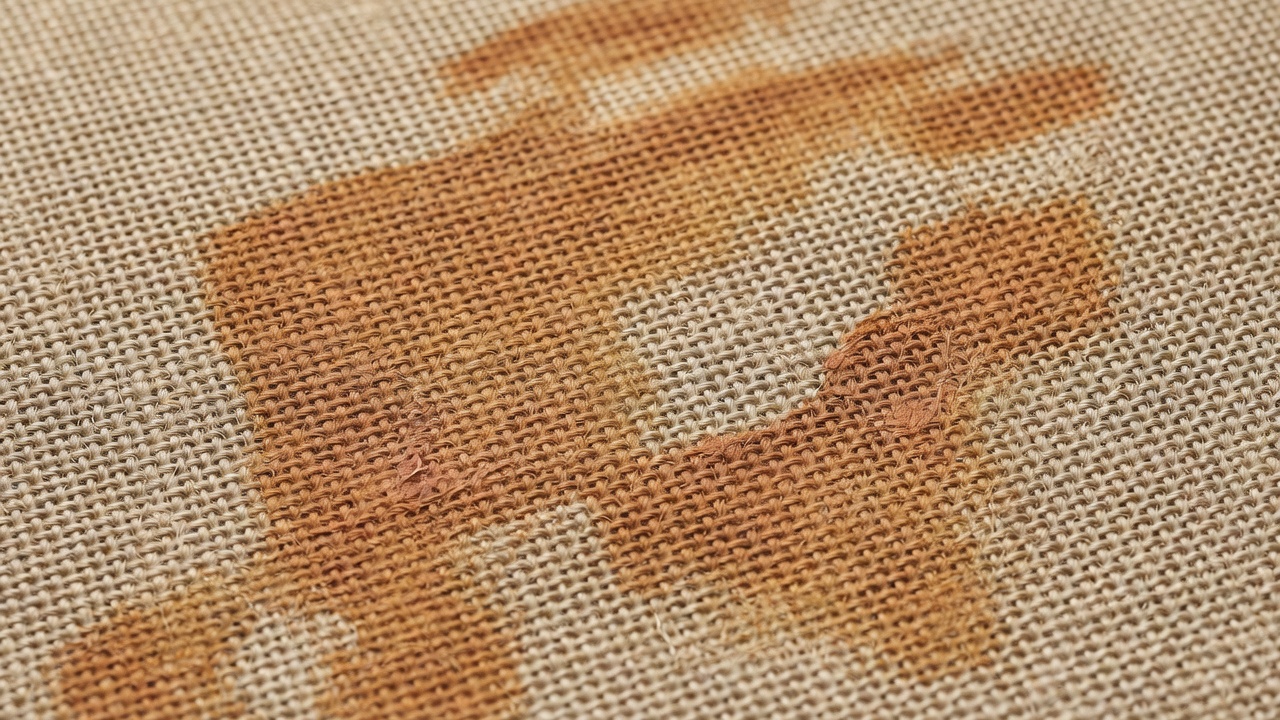
Linen
Strong, long fibres and a lively, irregular weave. Prized for fine detail and longevity, and the traditional choice for serious oil work. More expensive and slower to stretch tightly.
Cotton Duck
Affordable, even weave, widely available pre-primed. Ideal for studies and many finished works. Heavier weights, around 12 oz and above, resist sagging.
Acrylic Gesso
The modern standard ground, flexible and quick to dry. Sand lightly between coats for smoother skies or leave texture for broken foliage.
Oil Ground
Traditional lead or titanium oil primers give a subtle, less absorbent surface where colour sits up brightly. They need weeks to cure before painting.
A Combined Working Method
Here is a method many contemporary landscape painters follow. First, paint two or three small outdoor studies of the same motif at different times of day. Second, make a value sketch in pencil or grey paint to choose the strongest design. Third, in the studio, tone a larger canvas and block in the big masses using the studies as colour references. Fourth, work from back to front: sky, distance, middle ground, foreground. Finally, add the crispest accents and highlights last, sparingly, where you want the eye to land.
For collectors, knowing this method helps you read a canvas. A loose, direct surface with a confident single layer often signals an outdoor painting. Smooth transitions, glazes and carefully staged light suggest the studio. Neither is superior; each simply answers a different question.